Demonetisation Debate in Nepal: Are Rs 500 and Rs 1,000 Notes Going to Be Withdrawn?
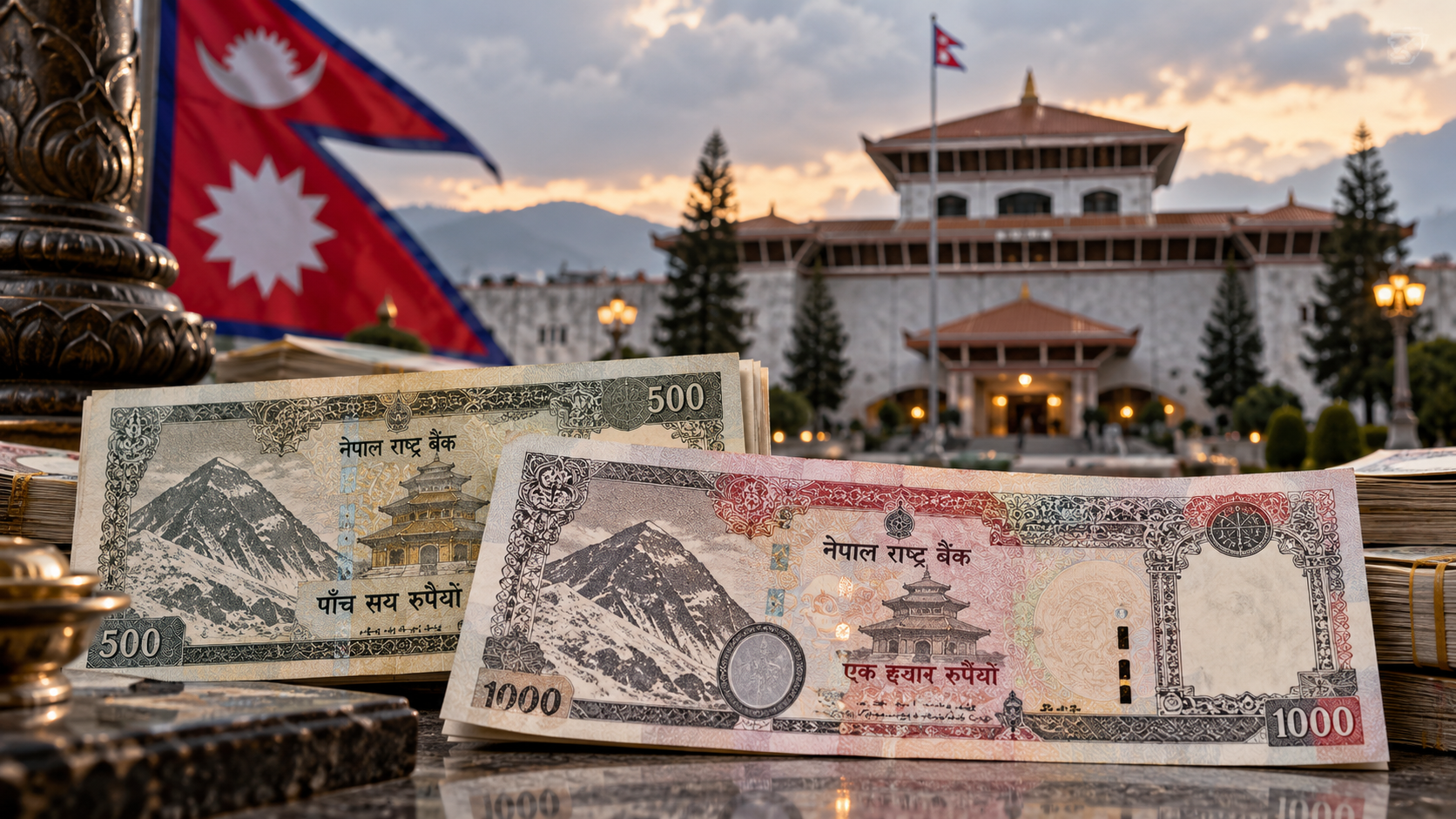
Kathmandu: The debate over demonetisation has once again gained attention in Nepal. On September 30, 2026, a demand was raised in the House of Representatives to withdraw Nepalese Rs 500 and Rs 1,000 banknotes. This has led to questions over whether the Nepal government is actually preparing for demonetisation.
Updated: 1/10/2026, 12:45:15 pm IST
THE PLANET REPORT
The 60-second brief
- Nepal Parliament raised a demonetisation demand.
- Rs 500 and Rs 1,000 notes were discussed.
- No official decision has been taken.
- Both notes remain legal tender.
- Nepal Rastra Bank has announced no ban.
For now, the simple answer is: No. Nepal has not officially announced any demonetisation decision.
Who Raised the Demand in Parliament?
Rastriya Swatantra Party (RSP) lawmaker Yagyamany Neupane called for the withdrawal of Rs 500 and Rs 1,000 notes in the House of Representatives on September 30.
Neupane argued that withdrawing existing high-value notes and issuing new ones could help bring cash linked to corruption and illegally accumulated wealth into the formal banking system.
However, this remains a political proposal and has not been adopted as government policy.
Nepal Communist Party (NCP) Chief Whip Yuvraj Dulal also expressed support for the proposal and said his party would cooperate if the government decided to take such a step.
Has the Government Decided to Demonetise These Notes?
As of October 1, 2026, neither the Nepal government nor Nepal Rastra Bank has issued any official notice declaring Rs 500 or Rs 1,000 banknotes invalid.
In fact, Nepal’s Finance Minister Dr Swarnim Wagle had said on August 21, 2026, that the government did not currently consider demonetisation appropriate and had no such plan under consideration.
He had also referred to the experience of demonetisation in other countries and indicated that its outcomes had not been particularly encouraging.
However, that statement came before the fresh demand was raised in Parliament on September 30. Therefore, it cannot yet be said whether the government will reconsider its position in the future.
Nepal Rastra Bank Is Also Issuing a New Rs 1,000 Note
An important fact in the middle of this debate is that Nepal Rastra Bank issued an official notice on September 24, 2026, regarding the circulation of a new Rs 1,000 banknote from the 2025 series.
Reports around the Dashain period also indicated that new banknotes were being made available through Nepal Rastra Bank and other banking institutions.
Rs 500 and Rs 1,000 notes continue to be used normally in the banking system.
This means that, for now, both denominations remain legal tender and continue to circulate.
What Would Happen If Demonetisation Is Announced?
Demonetisation generally means that a government or central bank withdraws the legal tender status of certain banknotes.
In such situations, people are usually given a fixed period to deposit or exchange the affected notes through banks or authorised institutions.
But in Nepal, no such deadline, exchange process, deposit rule or official demonetisation programme has been announced so far.
Therefore, it would be incorrect to assume on the basis of social media posts or political statements alone that Rs 500 or Rs 1,000 notes have already been withdrawn.
What Is the Situation Right Now?
A demand for demonetisation was raised in Parliament on September 30, but no decision has been taken. Rs 500 and Rs 1,000 Nepalese banknotes remain valid and continue to be used normally.
Attention will now remain on the Nepal government and Nepal Rastra Bank. If any major decision on demonetisation is taken, it would require an official announcement along with detailed rules and procedures.
THE PLANET REPORT
Sources & reading notes